

This plan has been developed to minimize environmental and ecological impacts associated with the Ulaanbaatar Metro Project.
Although the project largely passes through highly urbanized areas, it will have certain impacts on green spaces and natural habitats.
-Total trees and shrubs affected: 6,337
-Transplantable individuals: 359
-Non-transplantable individuals: 5,978
-Compensation / restoration cost estimate: MNT 1.63 billion
-Floral species: approximately 60
-Tree and shrub species: 22 species
-Bird species: 180+ species (at regional level)
-Mammals: 15 species
-Amphibians and reptiles: 3 species
-Insects: 70+ species
Prior to the commencement of construction, a detailed ecological survey shall be conducted by a qualified ecologist at all work sites at least 14–30 days in advance, in order to identify environmentally sensitive areas such as seasonal depressions, remnant vegetation, and wildlife habitats. These areas shall be accurately mapped using GPS coordinates.
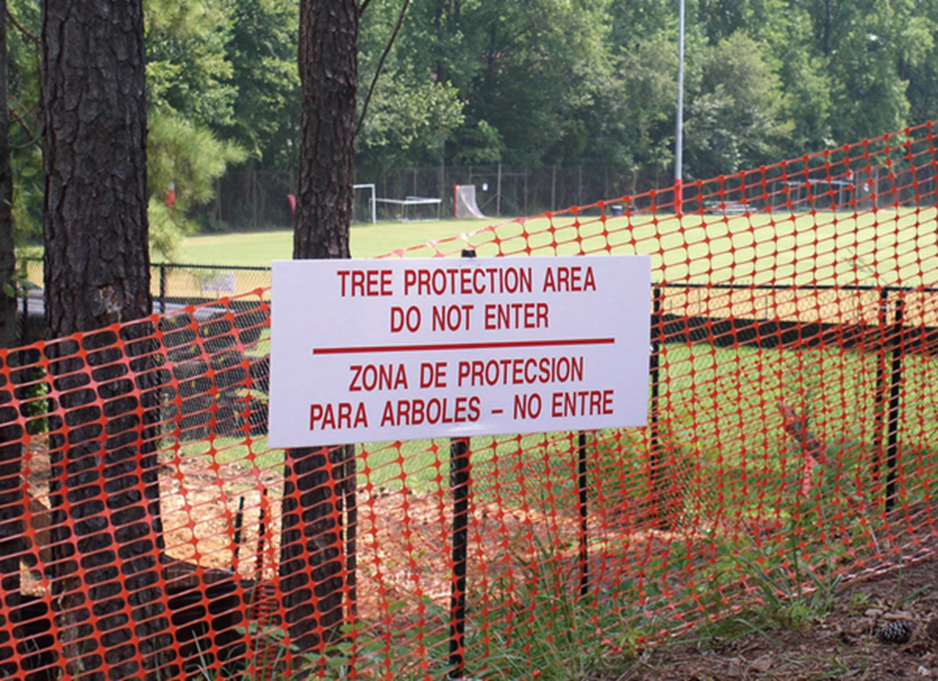
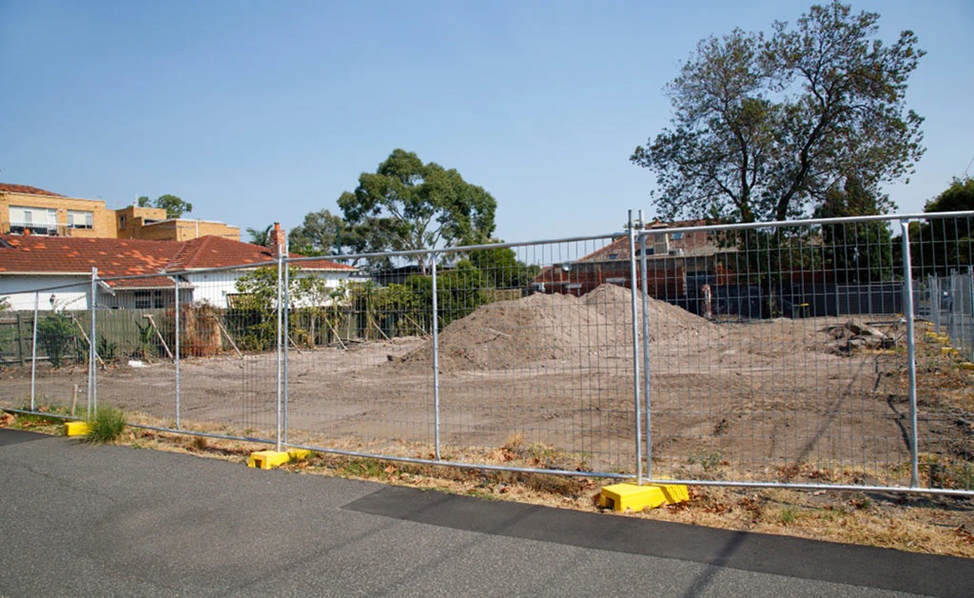
The identified sensitive zones shall be incorporated into the site layout plans and physically demarcated on-site using protective fencing (minimum height of 1.2 m) and clear warning signage. All activities including entry of heavy machinery, material storage, excavation, and storage of hazardous substances within these zones shall be strictly prohibited.
A permit-to-clear system shall be implemented prior to any vegetation removal, ensuring that clearance activities are carried out only within approved areas, in accordance with defined limits, and under the supervision and approval of the ecologist.
Vegetation clearance and high-noise activities shall, where feasible, be avoided during sensitive ecological periods including the bird breeding season (April–June) and migration periods (April–May and August–September). Where unavoidable, pre-clearance inspections shall be conducted and appropriate buffer zones established.
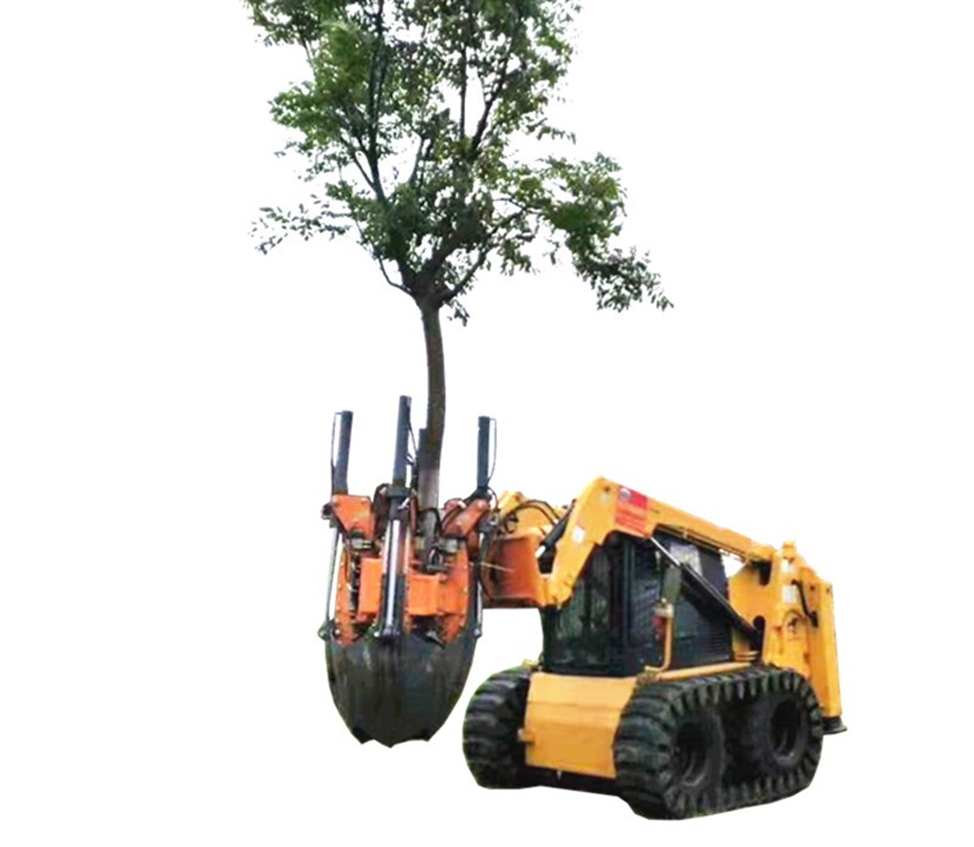
Out of a total of 6,337 trees and shrubs affected, approximately 359 individuals shall be transplanted, while the remaining 5,978 shall be compensated through replanting measures .
All trees to be retained shall be tagged, recorded in a GIS-based inventory, and protected by establishing a Tree Protection Zone (TPZ) with a radius equivalent to 10–12 times the trunk diameter (DBH). No construction activity shall be permitted within this zone.
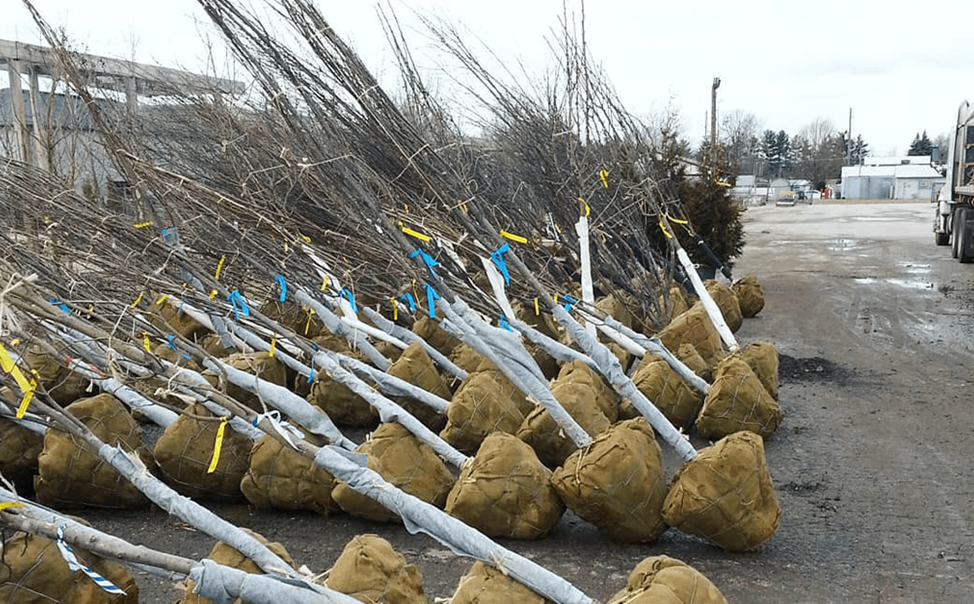
Trees designated for transplantation shall be carefully removed with intact root balls, replanted in pre-prepared locations, and monitored with regular watering and maintenance for a minimum period of three months to ensure survival.
A pre-construction fauna survey shall be conducted to identify animal burrows, nests, and habitats within the project area.
In the event that wildlife is encountered during construction, all activities in the immediate area shall be suspended, and the animal shall be safely captured and relocated in accordance with an approved capture-and-relocation protocol, under the supervision of a qualified ecologist.
In areas with known presence of amphibians and small mammals, temporary barriers of at least 50 cm height shall be installed to prevent entry into construction zones. Open trenches and pits shall be covered or secured within 24 hours to prevent accidental trapping or injury to wildlife.
Seasonal depressions and micro-aquatic habitats shall not be filled, levelled, or hydrologically altered. These areas shall be incorporated into protected zones.
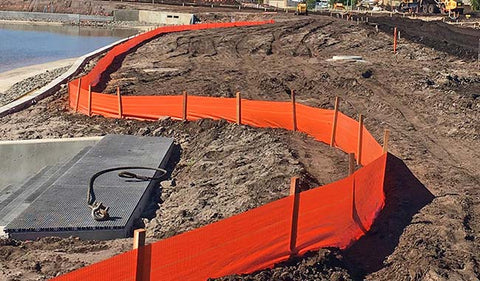
To prevent sediment and contaminated runoff from entering water bodies, silt fences (minimum height 0.6 m), sediment traps, and drainage control measures shall be installed at construction sites.
Concrete washout, fuel, and chemicals shall be stored away from water sources within areas equipped with secondary containment systems (minimum 110% capacity) to prevent accidental spills.
Construction activities generating noise levels exceeding 70 dB shall be limited to the hours between 07:00 and 19:00.
Night-time lighting shall be directional, shielded, and limited in intensity, using warm-colour lighting (≤3000K) to minimize disturbance to wildlife.
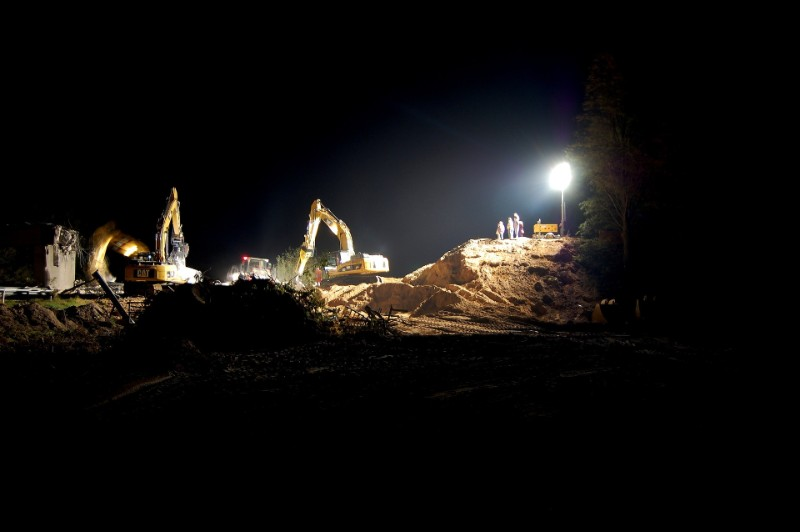
Upon completion of construction, all disturbed areas shall be rehabilitated to conditions as close as practicable to their original state. Topsoil shall be preserved, reinstated, and used for revegetation.
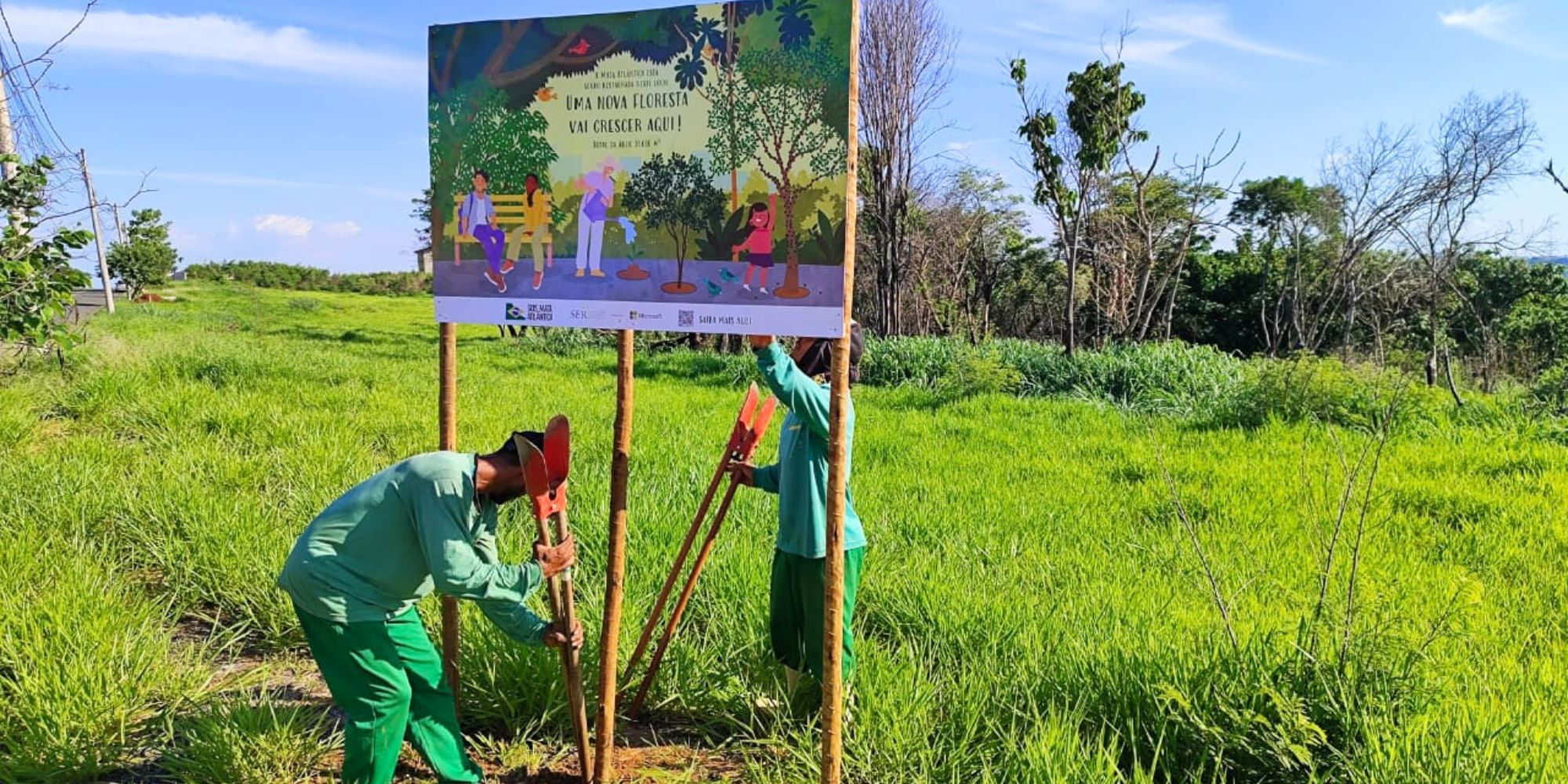
Compensatory planting shall be carried out at a ratio of 1:2 to 1:3 (one removed tree replaced by two to three trees), using native or locally adapted species wherever possible.
Monitoring of vegetation, wildlife, and habitat conditions shall be conducted monthly during construction and quarterly during operation.
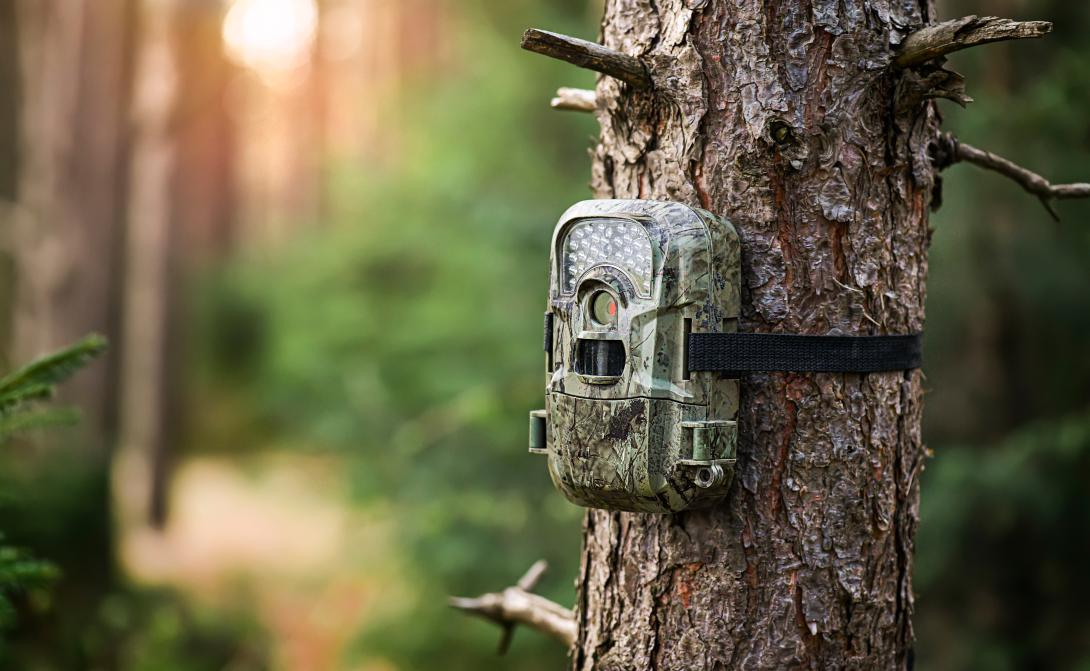
Monitoring methods shall include visual surveys, transect walks, and where necessary, camera traps. A qualified ecologist (ECoW) shall be present on-site to oversee compliance.
The Contractor shall be responsible for the daily implementation of all measures, while the PMC shall provide oversight and supervision. The Ecological Clerk of Works (ECoW) shall ensure compliance at site level.
All workers shall receive environmental awareness training prior to commencing work, and regular toolbox talks shall be conducted on a weekly basis.
In the event of non-compliance, works shall be halted immediately, corrective actions implemented, and preventive measures established to avoid recurrence.