

This plan aims to protect, respect, and where necessary preserve Mongolia’s cultural heritage during the implementation of the Ulaanbaatar Metro Project.
The project corridor passes through historically layered urban areas, and therefore there is a risk of impacts on underground archaeological remains, religious structures, and traditional cultural practices.
Cultural heritage includes the following:
-Archaeological artifacts and subsurface historical layers
-Monasteries, temples, stupas, and historic buildings
-Sacred sites such as ovoos and ritual locations
-Intangible heritage including traditional practices and festivals
The area within 200 meters on both sides of the metro alignment is considered the cultural heritage area of influence.
This Plan aims to establish a comprehensive framework to protect cultural heritage throughout all phases of the Ulaanbaatar Metro Project, including planning, construction, and operation. It ensures that potential adverse impacts are avoided where possible, minimized where unavoidable, and mitigated through restoration or compensation measures when necessary.
The Project shall apply the mitigation hierarchy approach of avoidance, minimization, restoration, and compensation, with priority given to avoiding impacts wherever feasible.
Prior to the commencement of construction, a detailed cultural heritage survey shall be conducted within the Project’s area of influence to identify both visible (above-ground) and subsurface (archaeological) heritage resources.
All identified cultural heritage features shall be mapped using GPS coordinates and incorporated into the project design and site layout, ensuring that alignment and construction activities are planned to avoid these areas wherever practicable.
Cultural heritage locations shall be clearly demarcated on-site using physical barriers and signage, and construction activities within these designated protection zones shall be strictly prohibited.
During construction, protective buffer zones shall be established around cultural heritage sites, and all activities such as excavation, material storage, and operation of heavy machinery within these zones shall be prohibited.
Where construction activities may generate vibration or structural impacts, particularly near heritage buildings or monuments, appropriate monitoring measures shall be implemented to ensure that vibration levels remain within acceptable limits.
Where there is a risk of structural damage to heritage assets, temporary protective structures such as supports, barriers, or reinforcement systems shall be installed to ensure their integrity and safety.
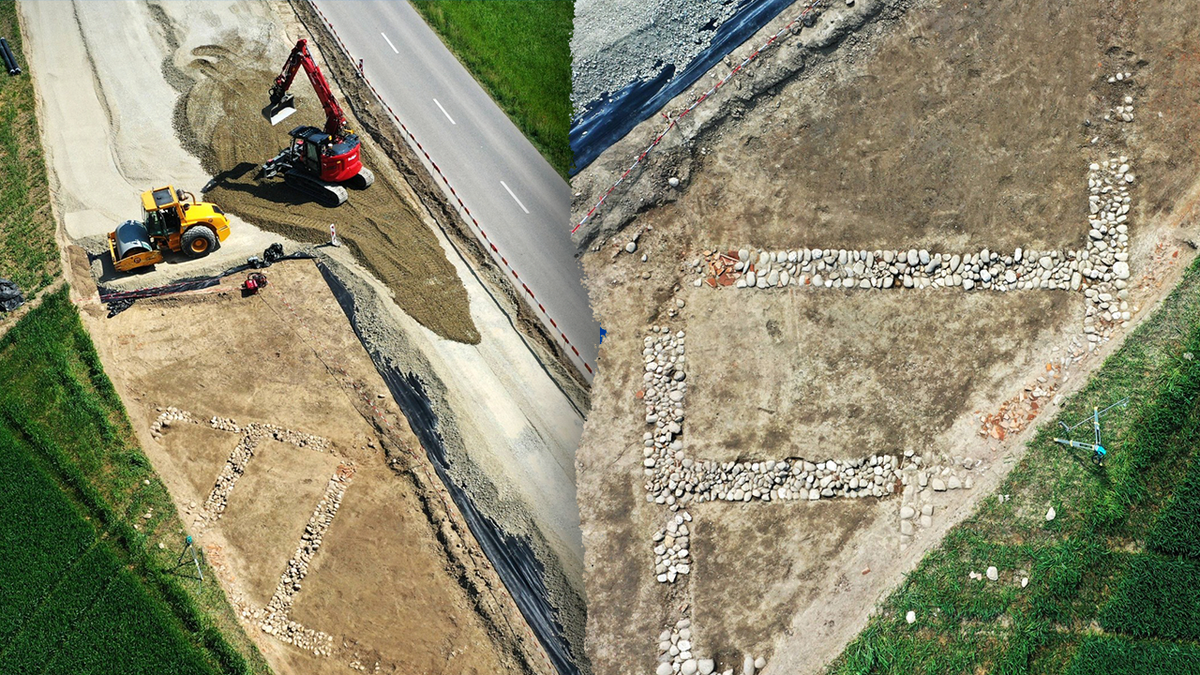
In the event that archaeological artefacts or cultural remains are discovered during construction, all work in the immediate area shall be halted immediately.
The discovery site shall be secured and protected from further disturbance, and relevant authorities shall be notified without delay.
Subsequent actions shall be undertaken in accordance with instructions from the competent authority, and no works shall resume in the affected area until formal clearance has been granted.
The Project shall ensure that local traditions, religious practices, and cultural activities of affected communities are respected and not disrupted during project implementation.

Access to religious and culturally significant sites shall be maintained at all times, and where temporary restrictions are unavoidable, alternative access arrangements and prior communication with stakeholders shall be ensured.
Where impacts on cultural heritage are unavoidable, restoration or rehabilitation measures shall be implemented in accordance with the requirements of relevant authorities and applicable legislation.
Where compensation is required, it shall be assessed and provided in accordance with national regulations and in consultation with affected stakeholders.
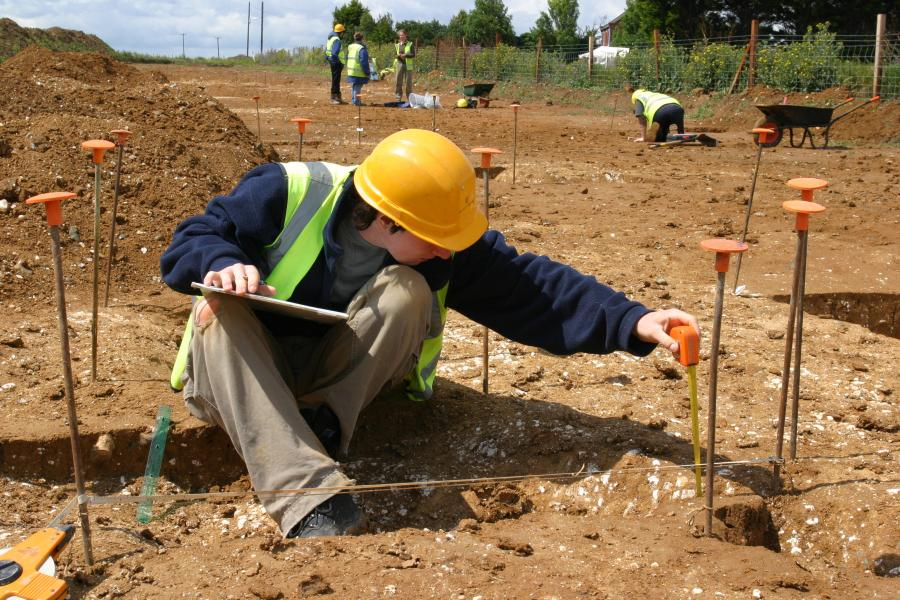
The implementation of cultural heritage protection measures shall be regularly monitored throughout construction to identify risks and ensure compliance.
Monitoring activities shall be carried out by qualified specialists, including archaeologists where necessary, and additional investigations shall be conducted if required.
8. Training and Implementation
All construction personnel shall receive training on cultural heritage awareness, including the importance of heritage protection and the procedures to follow in the event of a chance find.
Clear instructions shall be provided regarding prohibited activities, reporting requirements, and response procedures.