Halla University in Gangwon has been selected to train professionals for the construction of a metro system in Ulaanbaatar, the capital of Mongolia.
Mongolian students will study railway-related skills at Halla University, including construction, signaling and communication.
The university was chosen as the Korean partner to train personnel for Ulaanbaatar’s metro construction project, according to the railway industry on Friday. Four Korean universities competed for the selection.
Previously, the Ulaanbaatar City Government designated the Mongolian University of Science and Technology (MUST) as the lead institution to train professionals with both construction expertise and operational capabilities for the metro.
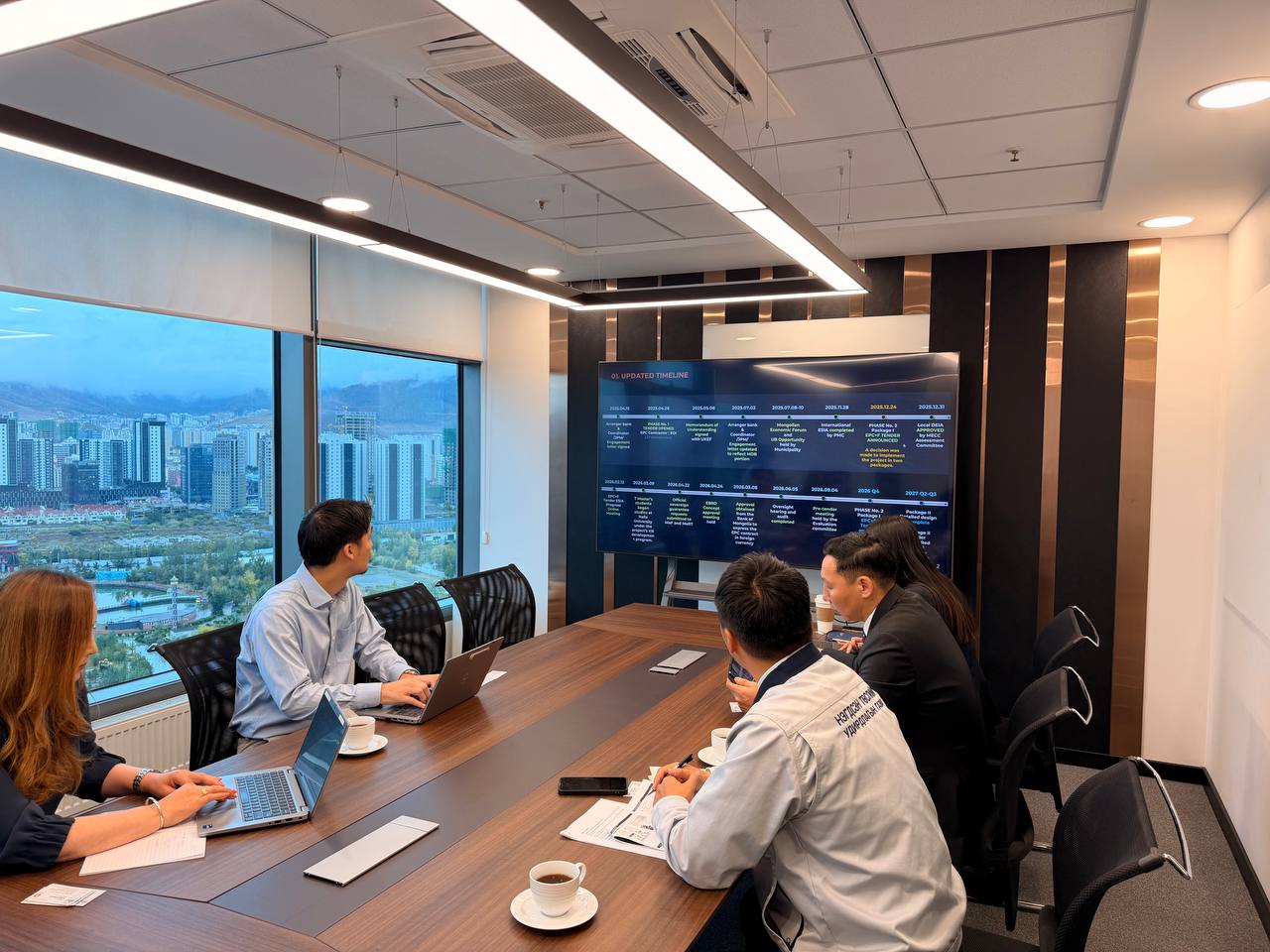
As part of the agreement, Halla University will offer a dual degree program in collaboration with MUST. Around 100 MUST students will enroll at Halla University annually for the next five to 10 years. The students will spend their first two years at MUST and their final two years at Halla University, earning degrees from both institutions.
The program also includes short-term training for Mongolian faculty and a graduate training program to prepare professors specializing in metro systems. These professors will staff the upcoming Department of Metro Systems at MUST. Tuition and training expenses will primarily be funded by the Ulaanbaatar City Government.
“We aim to contribute to the historic mission of alleviating transportation issues for Ulaanbaatar’s citizens, beyond simply hosting international students,” said Kim Eung-kwon, President of Halla University, during an agreement ceremony at the MUST campus on Wednesday. The event was attended by MUST President T. Namnan and Mongolia’s Deputy Foreign Minister Amartuvshin.
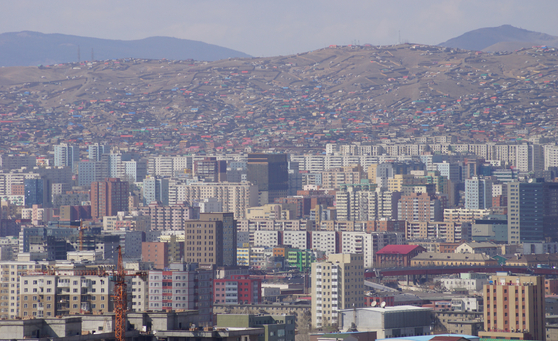
Ulaanbaatar, home to over 1.6 million residents — nearly half of Mongolia’s population — faces severe traffic congestion and air pollution.
The city's first metro line, spanning 17.7 kilometers with 14 stations, will operate at an average speed of 39.2 kilometers per hour. The project, costing approximately $2.37 billion, is expected to be completed by the end of 2031.